
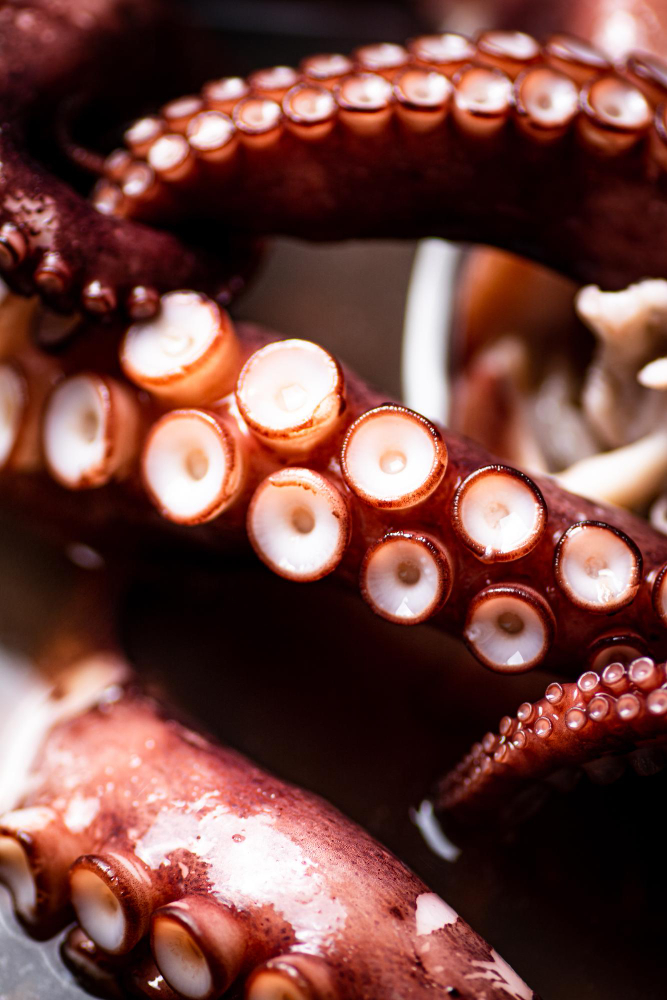
The octopus is a master of soft, adaptive contact—its tentacles can bend, wrap, grip, and adjust with precision. That combination has inspired modern product teams through biomimicry, especially when designing objects that prioritize comfort, flexibility, and multi-point touch.
In adult products, “octopus tentacle” concepts are not just a visual gimmick. Done well, they represent a clear design philosophy: adaptive comfort + controlled texture + user-centered safety.
What “Octopus Tentacle” Design Means in Product Terms
Octopus tentacle–inspired products typically translate nature’s mechanics into three design elements:
Adaptive Geometry (soft, bendable, forgiving)
Instead of rigid shapes, tentacle-inspired geometry uses:
- smooth curvature
- gradual transitions
- controlled flexibility (engineered through thickness and material hardness)
This makes the design more accommodating across different preferences and comfort levels.
Distributed Contact (less “point pressure,” more “surface comfort”)
Tentacles interact through multiple touch points, spreading contact more evenly. In product UX terms, that often means:
- reduced pressure spikes
- smoother movement
- more consistent comfort
Tentacle motifs often include ridges or suction-cup-like patterns. These features can be designed for:
- tactile variety
- improved handling/grip
- more predictable feedback
For a general overview of how “biomimicry” translates biological strategies into design, see:
Biomimicry overview (Encyclopaedia Britannica)
The Core Design Philosophy: Adaptive, Not Aggressive
A strong tentacle-inspired product is built around one principle:
The product should adapt to the user—not force the user to adapt to it.
That philosophy shows up in:
- ergonomic curvature (reducing awkward angles)
- softer edges and transitions (reducing discomfort)
- progressive texture (easy entry level → stronger zones)
It’s similar to the way soft robotics uses compliant materials to interact safely with humans and delicate environments.
Soft robotics overview (Harvard John A. Paulson School of Engineering and Applied Sciences)
Key Advantages in Adult Product Design
1) Ergonomics for More Users (comfort across body differences)
Tentacle-inspired curvature and flexibility can improve “fit” across different body types and preferences—often making the experience feel less rigid and more intuitive.
Design cues that improve ergonomics
- consistent comfort radius (no sharp bends)
- balanced thickness distribution
- controlled flex (not floppy, not stiff)
2) Multi-Zone Experience Without Mechanical Complexity
Instead of adding motors or moving parts, a tentacle design can create “zones” through geometry:
- a gentler zone
- a more textured zone
- a stability/grip zone
This keeps the product simpler, which can also support easier maintenance.
3) Better Handling and Control (grip as a safety feature)
Texture can increase grip—useful for control and confidence. But texture must be designed with care:
Good texture
- rounded micro-features
- smooth transitions
- easy-to-clean geometry
Risky texture
- deep grooves
- sharp ridges
- residue traps near seams
This is where design and hygiene overlap.
4) Strong Visual Identity (brand differentiation)
Tentacle-inspired forms are instantly recognizable, which helps brands:
- build a consistent design language
- create product families with a shared “signature”
- communicate a premium “design-forward” feel
When a design looks intentional, customers often infer higher quality—especially when supported by clear materials and care guidance.
R&D Considerations: Where Tentacle Designs Succeed or Fail
Material choice and surface finish are everything
Tentacle-inspired structures typically rely on soft-touch materials and stable finishes. Many teams prioritize high-quality silicone because it supports:
- flexible geometry
- stable long-term feel
- non-porous surfaces (when well-made)
For a quality-oriented view on biological evaluation frameworks used in body-contact product categories (context reference), see FDA guidance related to ISO 10993-1:
FDA guidance: Use of ISO 10993-1
Texture depth vs cleanability is the biggest trade-off
If texture becomes too deep, cleaning becomes harder and user confidence drops.
A practical baseline hygiene principle: cleaning with soap and water removes residues and many microbes in everyday contexts; disinfection is more situational.
CDC: Cleaning and disinfecting
Design rule of thumb
- prefer shallow, rounded textures
- minimize seams in high-contact zones
- avoid complex cavities that trap moisture
Manufacturing quality: seams, parting lines, and consistency
Tentacle forms can require complex tooling. Premium outcomes depend on:
- minimized seam visibility where it matters
- consistent surface finish across zones
- stable color/pigment quality (no tacky feel)
Great concept + weak manufacturing = poor user trust.
A Simple Tentacle-Design Checklist for Product Teams
- Ergonomics
- smooth curvature, no sharp transitions
- controlled flexibility (balanced thickness)
- Texture
- rounded micro-texture
- avoid deep grooves and residue traps
- Material
- clearly disclosed, stable formulation
- appropriate hardness range for the intended feel
- Maintenance
- easy-to-clean geometry
- storage-friendly shape (reduces dust/moisture retention)
- Brand
- consistent design language across the product line
- packaging story explains the inspiration clearly
FAQ
Is “octopus tentacle” design mainly aesthetic?
It can be aesthetic, but the best versions are functional: adaptive geometry, distributed contact, and zone-based texture can improve comfort and control.
Does more texture always mean better?
No. More texture can reduce cleanability. The best designs balance tactile variety with hygiene confidence.
What’s the biggest design mistake in tentacle-inspired products?
Overly deep grooves, sharp transitions, and poor seam management—these can harm comfort, maintenance, and perceived quality.
Why do brands like biomimicry stories?
Because biomimicry is a clear narrative that connects design to function—helping customers understand why a shape exists beyond looks.
Closing Thought
Octopus tentacle inspiration works when it’s treated as a real design philosophy: adaptive comfort, controlled texture, and user trust.
The true advantage comes from balancing biomimicry with R&D reality—materials, surface finish, cleanability, and consistent manufacturing.