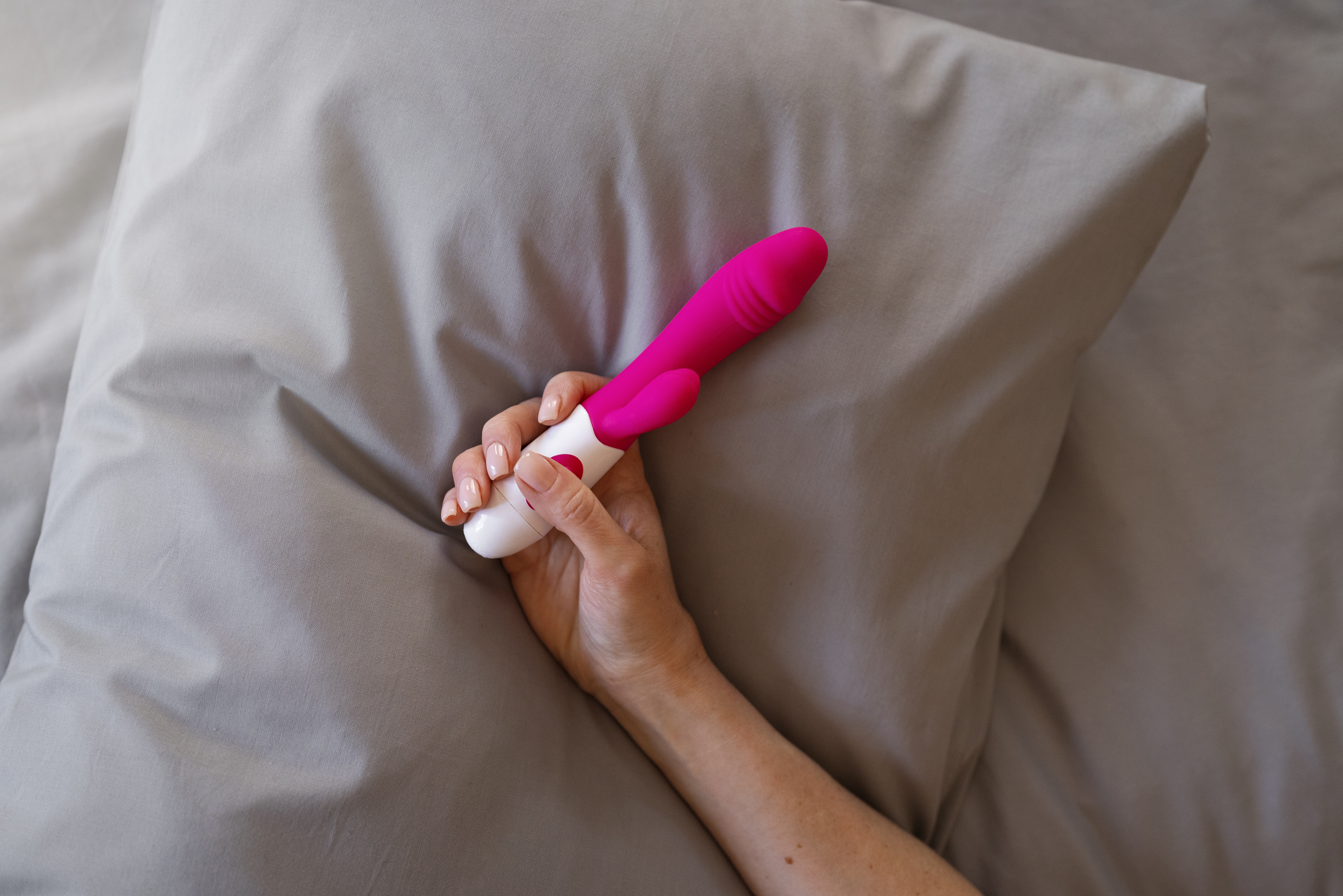
In recent years, conversations around intimate wellness have become quieter, wiser, and more grounded. What was once spoken of in whispers is now approached with thoughtfulness and care. Within this evolving dialogue, the brown dildo represents more than a product category. It reflects personal taste, emotional comfort, and a growing commitment to understanding one’s own body with respect.
Rather than focusing on novelty, it is helpful to consider the broader themes behind such a choice: material safety, aesthetic preference, physical compatibility, and self-awareness. When approached with intention, even the most private decisions become part of a larger practice of self-care.
The Subtle Psychology of Color
Color plays a more powerful role than we often realize. Brown, in particular, carries associations of warmth, earth, and steadiness. It evokes soil, wood, and natural textures—elements that feel grounding and familiar. For some, choosing a brown dildo can offer a sense of realism or visual softness that bright, artificial colors may not provide.
This grounding quality can make an experience feel less performative and more personal. When the visual element aligns with one’s comfort level, it often reduces distraction and enhances relaxation. Emotional ease, after all, is just as important as physical sensation.
Material Matters: Safety First
Regardless of color, the most essential factor in choosing any intimate product is material quality.
Medical-grade silicone is widely regarded as a reliable option. It is typically body-safe, non-porous, and free from harsh chemical odors. Its supple texture can closely mimic the feel of skin while remaining durable and easy to maintain. Non-porous construction is particularly important, as it limits bacterial buildup and supports thorough cleaning.
Clear labeling, transparent ingredient listings, and reputable manufacturing standards should always guide purchasing decisions. Intimate wellness is not an area for compromise. Thoughtful selection reflects a deeper respect for the body’s sensitivity and long-term health.
Fit, Form, and Personal Compatibility
Bodies differ—so should choices. Comfort is deeply individual. What feels proportionate and pleasant to one person may not suit another. For those exploring for the first time, starting with a moderate size and a softer firmness can help establish comfort and confidence.
Design also plays a subtle role. Some individuals prefer minimalist shapes that prioritize simplicity, while others may lean toward more realistic forms. The key is alignment between physical comfort and psychological ease. There is no universal ideal—only what feels right in one’s own body.
Listening carefully to internal signals, both physical and emotional, transforms the experience into a dialogue rather than a performance.
Pace, Environment, and Mindfulness
Intimacy—whether shared or solitary—is often enriched by patience. A calm environment, adequate lubrication, and unhurried movements all contribute to comfort and safety. Tension in the body can quickly translate to discomfort, so cultivating relaxation is essential.
Breathing steadily, moving gradually, and pausing when needed are simple yet powerful forms of self-awareness. There is no need for urgency. Exploration is not a race but a practice of attentiveness.
If discomfort arises, stopping is not a failure; it is wisdom. The body’s signals deserve to be trusted.
Cleaning and Care
Maintenance is an extension of respect. After each use, washing thoroughly with warm water and a mild, unscented cleanser helps preserve both hygiene and material integrity. Once fully dry, storing the item separately—ideally in a breathable pouch—prevents unwanted material interactions and prolongs durability.
Care in these small rituals reflects care for oneself.
The Broader Perspective
At its heart, choosing a brown dildo—or any intimate product—is about autonomy. It is about acknowledging desire without shame and approaching the body not as a problem to solve, but as a presence to understand.
When discussions around intimacy are framed within safety, comfort, and personal agency, they become less sensational and more human. Exploration, in this sense, is not about excess. It is about familiarity. It is about meeting oneself without judgment.
Understanding the body is an ongoing journey.
Treating it gently is where that journey begins.