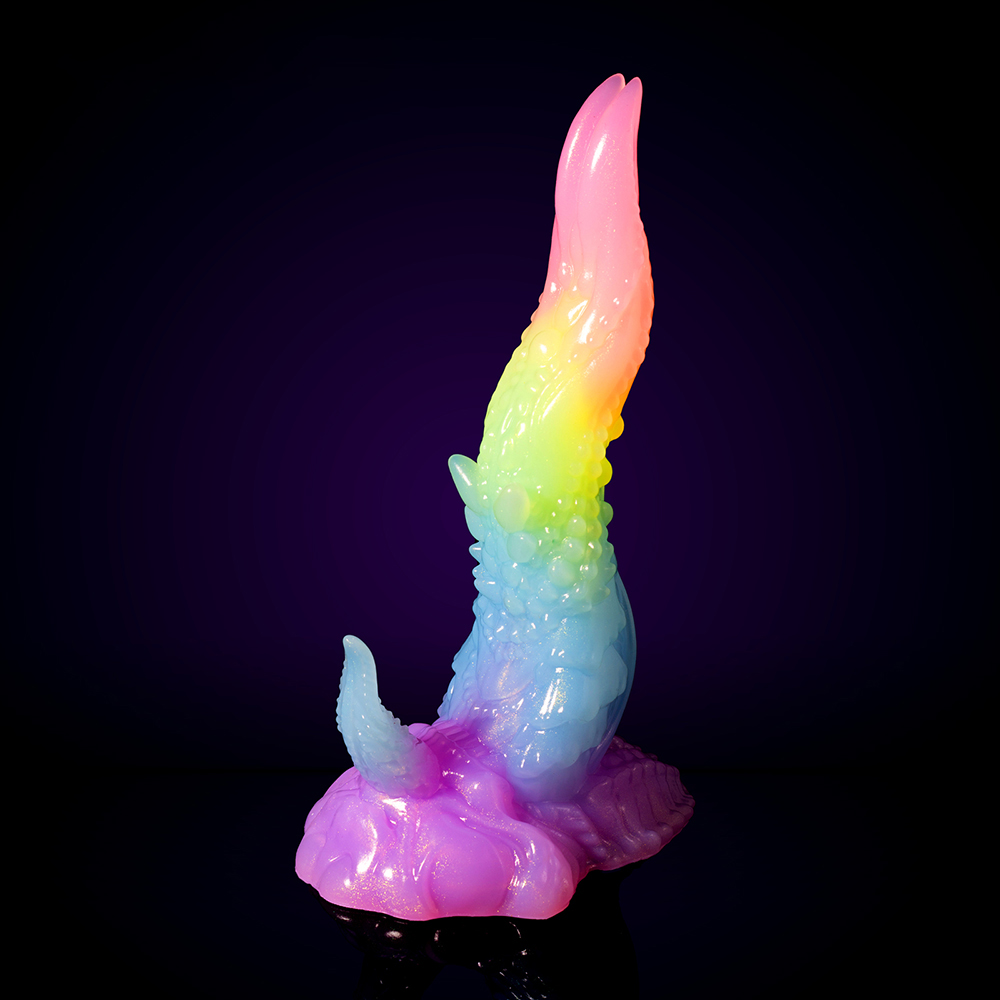
Octopus tentacles are one of nature’s most impressive examples of soft, adaptive, and precise interaction. In modern product design, tentacle-inspired forms have become a popular direction in biomimicry—especially for products that rely on comfort, flexibility, and multi-point contact.
This article explains the design (design philosophy) behind “octopus tentacle” structures and the practical (advantages) they can bring to adult products—focusing on engineering, ergonomics, and user experience, without explicit descriptions.
1) Why Octopus Tentacles Inspire Product Designers
Octopus tentacles combine three qualities that designers love:
Softness + Strength (Soft Robotics Logic)
Tentacles are flexible but controlled—able to bend, wrap, and stabilize. This is similar to ideas in soft robotics, where compliant structures improve comfort and reduce pressure points.
External reference: Soft robotics (Wikipedia overview)
Distributed Contact (Comfort Through Multiple Touch Points)
Instead of one rigid point of contact, a tentacle-like form spreads interaction across multiple points. In product design, this often translates to:
- less concentrated pressure
- smoother transitions
- more “forgiving” ergonomics for different body shapes
Micro-Texture Potential (Grip and Sensory Feedback)
Tentacle-inspired textures (ridges, dots, wave patterns) allow designers to fine-tune:
- tactile feedback
- friction levels
- perceived softness
2) Core Design Philosophy: “Adaptive, Not Aggressive”
A tentacle concept works best when the product philosophy is:
Adapt to the user
Not “force a shape,” but fit naturally. This is often achieved through:
- controlled flexibility (material hardness selection)
- gradual curves
- balanced thickness distribution
Multi-touch comfort
Rather than relying on intensity, the design uses:
- gentle layered interaction
- more surface area engagement
- smoother motion pathways
Personalization and variety
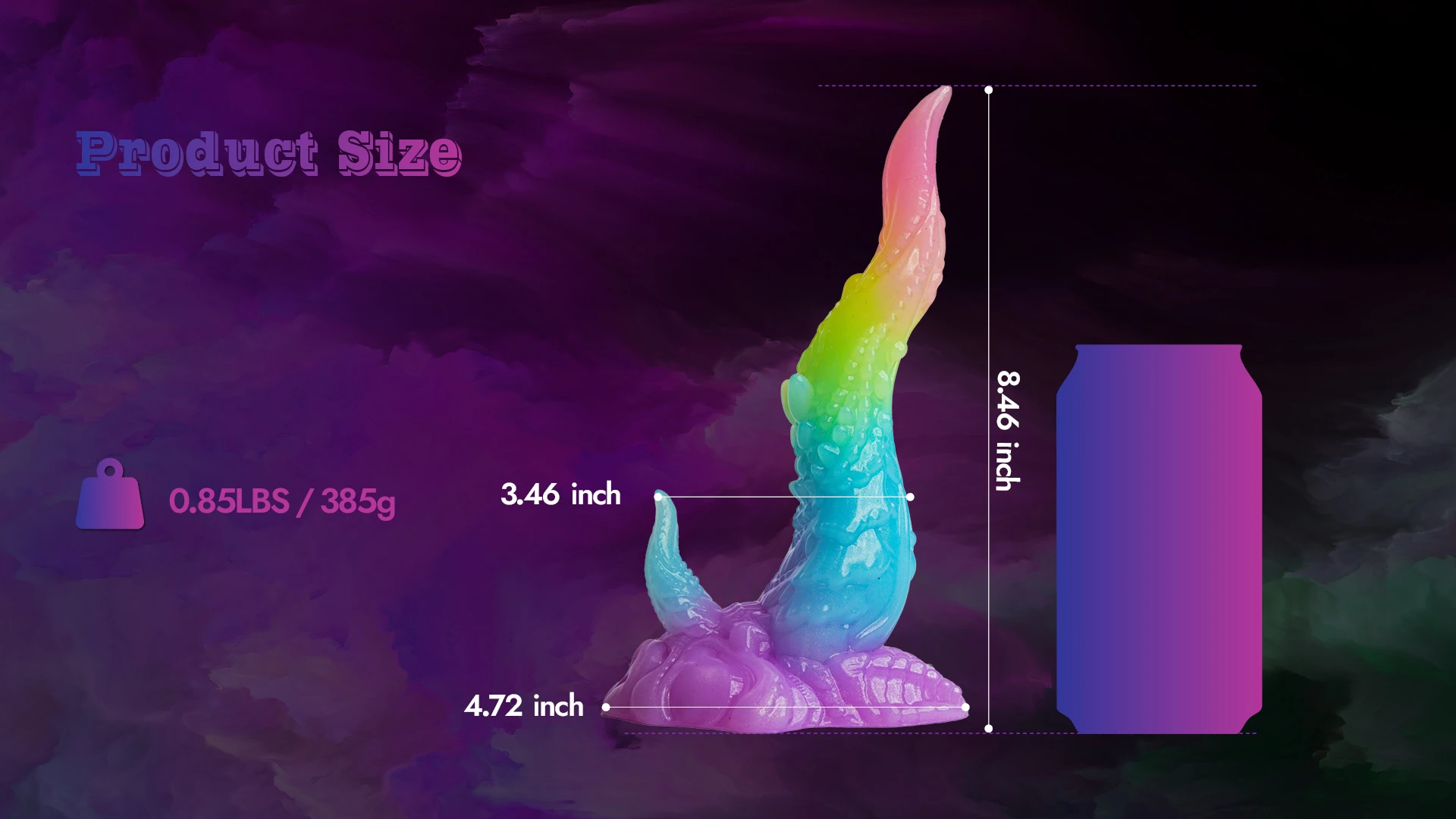
Tentacle structures can create “zones” (tip, mid, base) with different texture or flexibility, offering a more customizable experience without complexity.
3) Practical Advantages in Adult Products
Advantage 1: Better Ergonomics Across Different Users
Because tentacle-like shapes are more flexible and adaptive, they can feel more comfortable for a wider range of preferences and sensitivity levels.
Design notes
- avoid sharp transitions
- prioritize gradual curvature
- keep a consistent “comfort radius” where contact occurs
Advantage 2: Multi-Zone Experience Without Extra Parts
A common tentacle strategy is to create “functional zones” with geometry instead of adding mechanical complexity:
- tip: softer + finer texture
- mid: balanced firmness
- base: stability + grip
This delivers variety while keeping the product simpler and easier to maintain.
Advantage 3: Better Grip and Handling
Tentacle-inspired textures can improve handling when hands are wet or slippery. From a design perspective, micro-texture isn’t only “feel”—it’s also control and safety.
Key rule: texture should enhance grip without creating cleaning traps.
Advantage 4: Strong Visual Identity (Brand Differentiation)
Octopus-inspired forms are instantly recognizable, which helps:
- packaging storytelling
- product line consistency
- premium perception (biomimicry + design-forward)
This is especially useful for building a brand that feels modern, tasteful, and intentional.
4) R&D Considerations (Where Great Designs Succeed or Fail)
Tentacle design is powerful—but only when engineering details are handled well.
4.1 Material choice: silicone is common for a reason
High-quality silicone is widely used for skin-contact wellness products because it supports:
- flexible structures
- stable performance over time
- easier cleaning (when non-porous and well-finished)
For biocompatibility thinking in body-contact product categories, many teams reference ISO 10993 concepts and FDA guidance on biological evaluation (context-dependent).
External references:
4.2 Texture depth vs cleanability (the biggest trade-off)
Deep textures can improve sensation and grip, but they also increase the risk of:
- residue retention
- moisture trapping
- cleaning difficulty
Best practice
- prefer rounded micro-textures
- avoid deep grooves near seams
- keep transitions smooth
A general hygiene principle from public health guidance: cleaning is about removing residue with soap/water and friction, and disinfection depends on context.
External reference: CDC: Cleaning and disinfecting
4.3 Manufacturing: seams, parting lines, and surface finish
Tentacle forms often require complex molds. Key QC points:
- minimize seam visibility in high-contact areas
- avoid sharp parting lines
- ensure consistent surface finish across zones
This is where “beautiful concept” becomes a “premium product.”
5) A Simple “Tentacle Design Checklist” for Product Teams
- Ergonomics
- smooth curvature, no sharp transitions
- balanced thickness for controlled flexibility
- Texture
- rounded micro-textures
- avoid deep grooves and hard-to-clean traps
- Material
- clear disclosure and stable formulation
- appropriate hardness range for intended feel
- Safety & Maintenance
- easy-to-clean geometry
- storage-friendly shape (doesn’t trap dust/moisture)
- Brand
- design language consistent across product line
- packaging story explains biomimicry clearly
FAQ
Why is “octopus tentacle” design popular?
Because it’s a strong biomimicry concept: flexible, adaptive, and capable of multi-point interaction—useful for comfort-oriented products.
Does more texture always mean a better design?
Not always. More texture can reduce cleanability. The best designs balance tactile detail with hygiene and maintenance.
What material works best for tentacle-inspired shapes?
Many teams choose high-quality silicone because it supports soft, flexible geometry and can be easier to maintain when well-finished.
What’s the biggest mistake in tentacle-style designs?
Overly deep grooves, sharp transitions, and poor seam management—these reduce comfort, aesthetics, and cleaning convenience.
Closing Thought
Octopus tentacle design is not just a visual gimmick. When done well, it’s a serious design: adaptive ergonomics + distributed comfort + refined tactile control.
The true优势 comes from balancing biomimicry with engineering reality—materials, cleanability, surface finish, and user trust.