
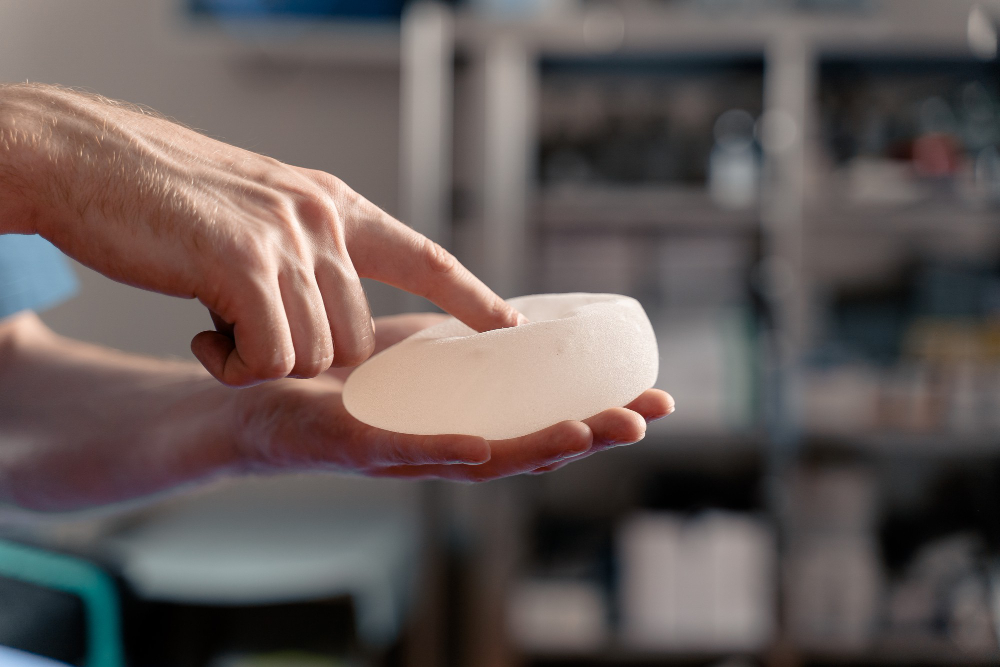
Choosing the right silicone material can make or break a skin-contact product. In product R&D, material decisions affect comfort, durability, hygiene, and user confidence—and that confidence matters in relationships, where trust and peace of mind are part of the experience.
This guide explains the benefits and drawbacks of silicone, compares common alternatives, and recommends what to use based on real-world trade-offs—without explicit content.
Why Material Choice Impacts User Confidence (and Relationships)
When people use a personal-care or wellness product that touches the body, they care about:
- “Is it safe on skin?”
- “Will it irritate me?”
- “Is it easy to clean?”
- “Will it smell or degrade over time?”
If the material creates discomfort or uncertainty, users may avoid the product—leading to frustration and tension. In a relationship, that can affect emotional closeness and trust. Material quality helps reduce unnecessary worry.
Silicone Material: Key Benefits
Silicone is widely used for skin-contact products because it offers a strong balance of performance and user comfort.
1) Soft touch + flexibility
Silicone can be engineered across a wide range of softness (durometer), making it comfortable for extended handling and use.
2) Non-porous options (better hygiene)
High-quality silicone is often non-porous, meaning it resists absorbing moisture and odors, and it’s generally easier to clean compared to porous materials.
3) Thermal stability and long service life
Silicone typically maintains performance across temperature changes and repeated use, making it durable for long-term ownership.
4) Mature compliance pathways for body-contact products
For products with skin or mucosal contact in regulated categories, manufacturers commonly rely on established biocompatibility evaluation frameworks such as ISO 10993-1 and FDA guidance.
Silicone Material: Common Downsides (What R&D Teams Must Manage)
Silicone isn’t perfect. Here are the trade-offs that matter in product development.
1) Not all “silicone” is equal
Marketing labels can be vague. Silicone performance depends on:
- formulation,
- curing method,
- additives/pigments,
- manufacturing quality control.
R&D tip: Specify grades and test requirements in your BOM and supplier agreements.
2) Surface can attract dust/lint
Some silicone finishes can pick up lint (especially matte, high-friction surfaces). This impacts perceived cleanliness and user satisfaction.
Mitigation: consider surface treatments, packaging design, or adjusted texture.
3) Potential issues with certain additives or residues
Poor manufacturing can leave residues that affect odor or feel. This is more a process issue than silicone itself, but users experience it as “material quality.”
Mitigation: stronger incoming inspection, extractables/leachables risk thinking, and tighter QC.
4) Cost and tooling complexity
High-quality silicone and reliable molding can be more expensive than basic plastics, especially with complex geometries.
Silicone vs Other Common Materials (Quick Comparison)
| Material | Feel/Comfort | Hygiene Potential | Durability | Typical Concerns |
|---|---|---|---|---|
| Silicone (high quality) | High | High | High | Requires good QC; lint attraction |
| TPE/TPR | Very soft | Lower (often porous) | Medium | Can absorb odors; faster aging |
| TPU | Medium | Medium | High | Stiffer feel; formulation variance |
| ABS plastic | Firm | High (non-porous) | High | Less “soft”; seams/joins matter |
| Stainless steel | Firm/cool | High | Very high | Weight; temperature feel |
| Glass (engineered) | Smooth | High | High | Needs careful design & handling |
Plain-language takeaway:
If your priority is a comfortable, skin-friendly feel plus easy maintenance, high-quality silicone often wins. If your priority is rigid structure and cost, ABS/TPU may be better—sometimes combined with silicone overmolding.
What Material Should You Recommend?
Best all-around recommendation: High-quality silicone
For skin-contact wellness products, high-quality silicone is typically the best balance of comfort, durability, and user confidence—when manufacturing and QC are done properly.
R&D checklist for specifying silicone
- Define hardness range (durometer) for the experience you want
- Require clear material disclosure and supplier traceability
- Validate cleaning compatibility (your recommended care routine)
- Run a risk-based biocompatibility evaluation aligned with the intended contact type and duration
- FDA Biocompatibility Assessment Resource Center :contentReference
- ISO 10993-1 overview :contentReference
When to choose ABS/TPU instead
Choose ABS or TPU when:
- the product needs rigid structure,
- tight tolerances,
- lower cost,
- or a high-gloss, dust-resistant finish.
A common strategy is hybrid construction: rigid core (ABS/TPU) + soft-touch areas (silicone).
When to avoid very soft porous materials
If hygiene confidence is a major concern, be cautious with materials that are more likely to be porous or absorb odors over time unless you have strong design and care controls.
How Material Choices Support Relationship Confidence
Material quality isn’t only technical—it influences emotions:
- Better hygiene confidence reduces overthinking and discomfort.
- Better durability reduces worry about “something going wrong.”
- Better transparency (clear material + care guidance) builds trust between partners.
Small uncertainties add friction. Good material decisions remove friction.
FAQ
Is silicone always safe for skin-contact products?
Silicone is widely used for skin-contact applications, but safety depends on formulation, manufacturing quality, and intended use. R&D teams should apply risk-based evaluation frameworks like ISO 10993-1 where appropriate.
Why do some silicone products feel sticky or smell odd?
Usually this points to manufacturing residues, additives, or poor QC, not silicone as a category.
Which material is easiest to keep clean?
Non-porous materials like high-quality silicone, stainless steel, engineered glass, and ABS are typically easier to maintain when designed without hard-to-reach seams.
Does softer always mean better?
Not necessarily. Very soft materials can be more porous or less durable. Comfort should be balanced with hygiene and longevity.
A common premium stack is rigid core + silicone overmold, which gives structure, durability, and a comfortable touch.
Summary: The Practical Recommendation
- If you want the best all-around mix of comfort + hygiene confidence + durability, choose high-quality silicone and invest in QC and clarity.
- If you need rigidity or cost control, consider ABS/TPU, ideally paired with silicone in touch areas.
- Prioritize transparency: material disclosure + care guidance builds user trust—and that trust supports better experiences in relationships.